
Sunday evening arrives and so does the familiar dread: an empty fridge, a packed week ahead, and zero desire to spend three hours prepping containers of food you'll be tired of by Wednesday. If this sounds familiar, you're not alone — weekly meal planning is one of the hardest habits to stick to, even for people who genuinely enjoy cooking.
Tiffin delivery is quietly solving this problem for hundreds of Edmonton residents. Here's how building your week around a tiffin service actually works, and why it tends to stick when other meal-planning strategies don't.
Why Traditional Meal Prep Breaks Down
Most meal-prep approaches fail for one of three reasons:
- Monotony — cooking a big batch of one thing means eating the same meal five days in a row
- Time cost — a proper Sunday session eats two to four hours, which competes with rest, family, and errands
- Waste — life intervenes (a spontaneous dinner out, a late meeting, a bad day) and half your prepped food goes in the bin
Tiffin sidesteps all three. You're not cooking in advance — you're outsourcing the prep to a kitchen that rotates its menu daily. The food arrives fresh, the variety changes throughout the week, and you only order what you actually need.
How to Build a Weekly Rhythm with Tiffin
The most common pattern FOOOD customers settle into looks something like this:
Monday through Friday: let tiffin handle lunch or dinner
Order lunch tiffin for your work days and cook dinner yourself — or flip it if you prefer cooking lunch. Either way, you're cutting your daily cooking load in half without giving up the ritual entirely.
A typical weekday with tiffin delivery:
- Morning: grab breakfast as usual
- Midday: tiffin arrives (or you collect it) — a full meal ready in zero time
- Evening: a lighter, quicker home-cooked dinner with no pressure to produce something elaborate
If evenings are genuinely hectic — school pickups, late shifts, long commutes — ordering dinner tiffin five nights a week is completely reasonable. At roughly $10–14 per meal, it undercuts most restaurant delivery apps and costs less than driving through a fast-food lineup when you factor in your time.
Weekends: home cooking, done intentionally
With the weekday cooking pressure lifted, weekend cooking feels different. You can actually enjoy making a slow biryani on Saturday or trying a new recipe on Sunday without it being an obligation. Tiffin gives you the bandwidth to cook when you want to, not just when you have to.
Practical Tips for Getting the Most Out of Your Tiffin Week
Order two to three days ahead when you can. Most tiffin services — including FOOOD — allow you to pre-order for specific days. Placing orders Monday for the whole week takes five minutes and means you'll never be caught scrambling at noon wondering what's for lunch.
Keep the fridge stocked for flex nights. Tiffin works best as your primary plan, with a simple backup for nights when things go sideways: eggs, frozen roti, tinned dal. If the tiffin doesn't arrive or you have an unexpected guest, you're not helpless.
Match your order to your schedule, not the other way around. If you know Tuesday is always a late one, make sure that's a tiffin day. If Friday is usually relaxed, skip the delivery and cook something you enjoy. The best meal plan is one that bends to your week, not one you have to contort your week to fit.
Freeze extras if your service allows larger portions. Some people order an extra portion on days they know they'll be too tired to deal with anything the next morning — tiffin reheats well and holds overnight in the fridge, or up to a month in the freezer.
What a Tiffin-Anchored Week Looks Like in Numbers
Say you order lunch tiffin Monday to Friday, five days a week:
| | Tiffin Lunch | Restaurant Delivery Lunch | |---|---|---| | Cost per meal | ~$12 | ~$20–25 (with fees + tip) | | Weekly cost | ~$60 | ~$100–125 | | Monthly cost | ~$240 | ~$400–500 | | Cooking time saved | 30–45 min/day | — |
That's roughly $160–260 saved per month compared to app delivery — and you're eating fresher, more nutritious food without the sodium load that comes with most takeout.
The Variety Question
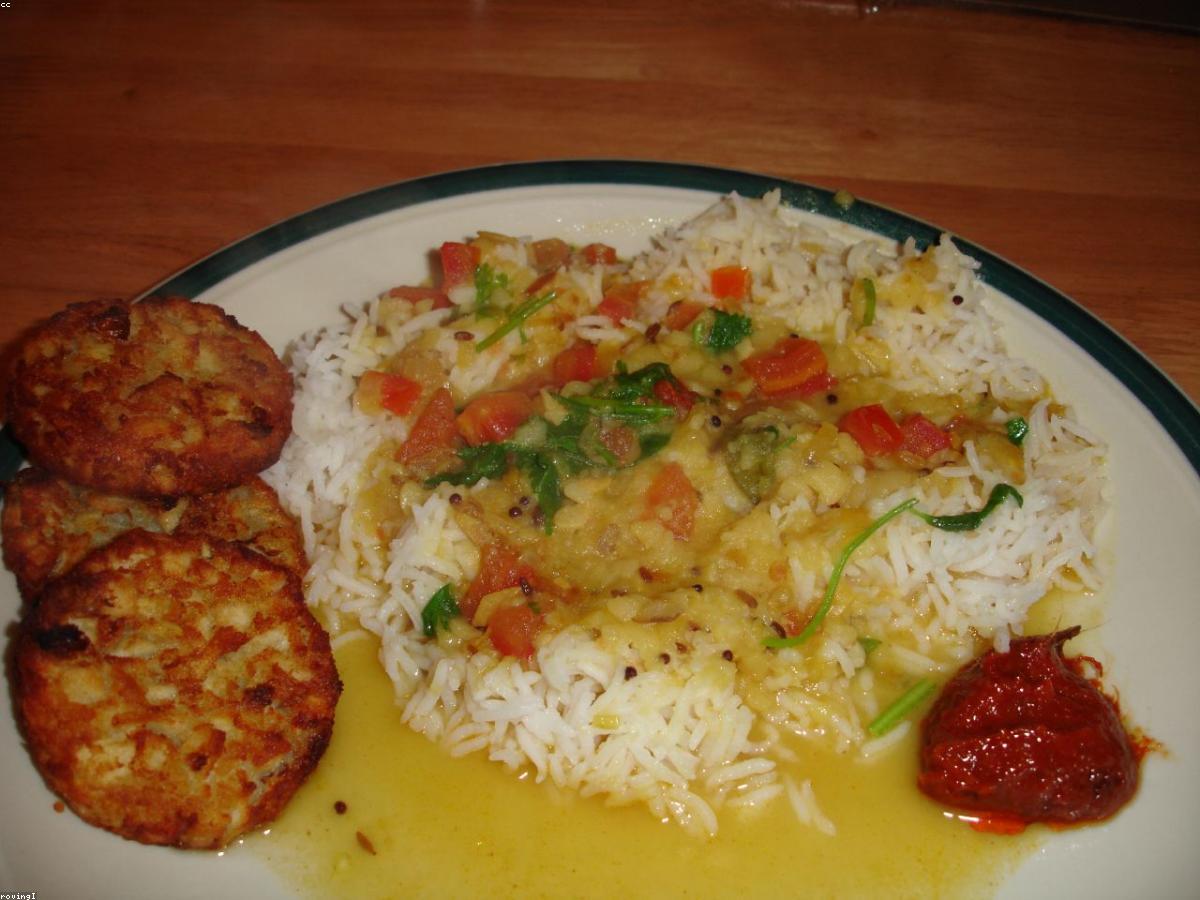
One concern people raise about tiffin is whether the food gets repetitive. It's worth addressing directly: a good tiffin service rotates its menu. FOOOD's kitchen changes the daily menu throughout the week — different proteins, different daal preparations, seasonal vegetables — so you're not eating the same thing twice in a row.
That said, tiffin is a particular kind of food: warm, home-style South Asian cooking built around dal, sabzi, rice, and roti. If that's what you love, weekly tiffin delivery is a near-perfect match. If you need maximum cuisine variety across the week, you'll likely want to combine tiffin with some home cooking or the occasional restaurant meal — and most people do.
Getting Started
The easiest way to test a tiffin-anchored week is to commit to a single week, five days in a row. Don't overthink which days or meals — just order lunch every weekday for one week and pay attention to how it changes your stress level around food.
Most people find the experiment so easy they never go back to full-scale meal prep. The cooking they choose to do on weekends becomes more enjoyable because it's a choice, not a chore.
Edmonton has more tiffin options than most people realize. If you want to try FOOOD's rotating home-style menu, you can place your first order on the site — no subscription required, order as little or as much as you like.